
Early signs of H. pylori infection: Symptoms, Testing, and Treatment
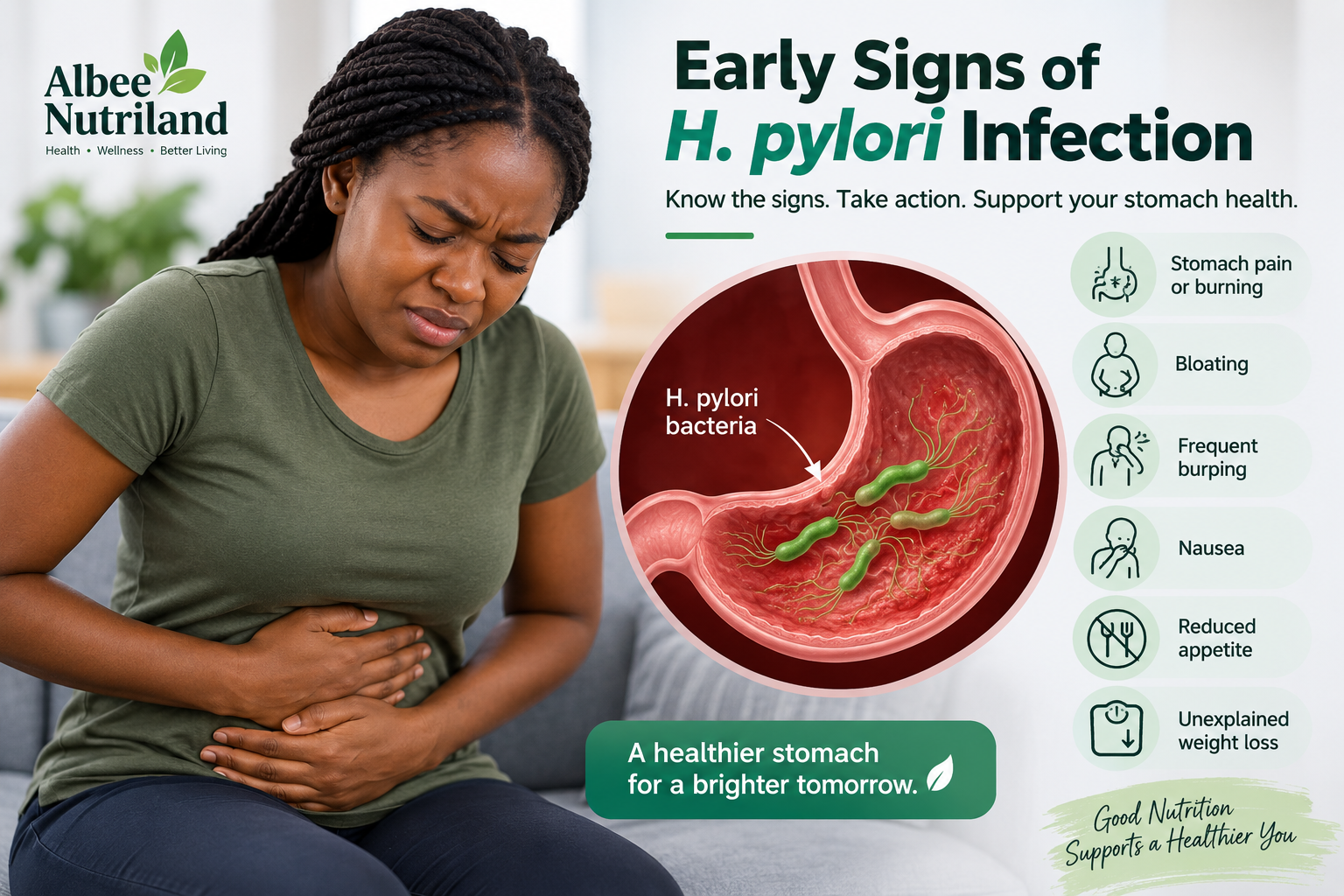
The early signs of H. pylori infection can be easy to confuse with ordinary digestive problems. Some people may experience stomach pain, bloating, frequent burping, nausea, reduced appetite, or unexplained weight loss. However, many people with H. pylori have no symptoms at all. Mayo Clinic explains the common symptoms of H. pylori infection
H. pylori, short for Helicobacter pylori, is a type of bacteria that can live in the stomach. An infection can cause inflammation of the stomach lining and may contribute to peptic ulcers. Therefore, persistent stomach symptoms should not simply be treated at home without finding out what is causing them.
What Is H. pylori?
H. pylori is a bacterium that can infect the stomach lining. Many infections cause no noticeable symptoms. However, some people develop stomach inflammation or peptic ulcers.
H. pylori is one of the main causes of peptic ulcers. Another common cause is the long-term use of certain pain medicines called nonsteroidal anti-inflammatory drugs, or NSAIDs. NIDDK explains the causes and symptoms of peptic ulcers
The infection often begins during childhood. H. pylori may spread through contact with saliva, vomit, or stool. Contaminated food or water can also play a role.
Common Symptoms to Watch For
The symptoms of H. pylori can vary from person to person. Some people have no symptoms, while others develop digestive discomfort.
Stomach pain: You may notice an aching or burning feeling in the upper abdomen. For some people, the discomfort can be worse when the stomach is empty.
Bloating: You may feel unusually full or uncomfortable around your abdomen. Bloating can also have many other causes, so it does not confirm an H. pylori infection.
Frequent burping: Repeated burping can occur together with other digestive symptoms. If it keeps happening, especially with stomach discomfort, consider discussing it with a healthcare professional.
Nausea: An H. pylori infection may cause an upset stomach or nausea. However, many other conditions can also cause nausea.
Reduced appetite: Some people may lose interest in food when they have ongoing stomach problems.
Unexplained weight loss: Losing weight without trying can occur when stomach symptoms affect appetite or eating. However, unexplained weight loss has many possible causes and should be assessed by a healthcare professional.
These symptoms are not unique to H. pylori. That is why testing is important.
H. pylori and Stomach Ulcers
H. pylori can damage the protective lining of the stomach and small intestine. This can allow stomach acid to contribute to the development of a peptic ulcer.
A peptic ulcer is a sore that develops in the lining of the stomach or the first part of the small intestine. Common symptoms can include upper abdominal pain, nausea, bloating and belching. Read the NIDDK guide to peptic ulcers
This is why repeated stomach pain should not always be assumed to be a simple case of indigestion.
If you are interested in learning more about stomach problems, you can also read our upcoming guide on H. pylori vs stomach ulcer.
How Is H. pylori Diagnosed?
Symptoms alone cannot confirm an H. pylori infection.
A healthcare professional may recommend a stool test or a urea breath test. In some cases, an upper gastrointestinal endoscopy may be needed. During an endoscopy, a healthcare professional can examine the upper digestive tract and may take a small tissue sample for testing. See NIDDK’s guide to diagnosing peptic ulcers
Mayo Clinic also explains that stool tests and urea breath tests are commonly used to detect H. pylori. An endoscopy may be used when further examination is needed. Read Mayo Clinic’s H. pylori diagnosis guide
Testing is important because stomach pain, bloating, and nausea can have many different causes.
How Is H. pylori Treated?
When H. pylori infection is confirmed, a healthcare professional will choose an appropriate treatment.
Treatment commonly includes more than one antibiotic together with medicine that reduces stomach acid. The exact treatment can vary because antibiotic resistance can affect which medicines are suitable. Learn more about H. pylori treatment from NIDDK
It is important to take prescribed medicines exactly as directed. Stopping treatment early can allow some bacteria to survive and may contribute to antibiotic resistance.
Follow-up testing may also be recommended to confirm that the infection has been cleared. Mayo Clinic notes that follow-up testing is generally done at least four weeks after antibiotic treatment. See Mayo Clinic’s treatment information
Healthy Habits for Digestive Health
Good hygiene and safe food practices are useful for reducing the spread of infections.
Simple habits include:
- Wash your hands properly after using the toilet.
- Wash your hands before preparing or eating food.
- Use safe drinking water.
- Keep food-preparation surfaces clean.
- Handle food safely.
- Avoid sharing food and eating utensils.
A healthy diet is also important for overall nutrition. However, there is no special diet that can replace medical treatment for an H. pylori infection.
For general nutrition, you can explore products such as [Vestige Spirulina Supplement] and [Vestige Flax Oil Supplement] as part of a balanced nutritional routine. These products should not be used as a substitute for testing or prescribed treatment for H. pylori.
When Should You See a Healthcare Professional?
See a healthcare professional if stomach pain or other digestive symptoms continue or keep returning.
Seek urgent medical attention if you have:
- Severe or sudden abdominal pain
- Black or tarry stools
- Blood in your stool
- Vomiting blood
- Vomit that looks like coffee grounds
- Difficulty swallowing
- Severe dizziness
- Fainting
- Unexplained or significant weight loss
These symptoms can indicate bleeding or another serious digestive problem. Mayo Clinic explains when H. pylori symptoms need urgent medical attention
Frequently Asked Questions
Can H. pylori cause stomach pain?
Yes. H. pylori infection can be associated with aching or burning pain in the upper abdomen. However, stomach pain has many possible causes.
Can you have H. pylori without symptoms?
Yes. Many people with H. pylori infection do not have noticeable symptoms.
Can H. pylori cause an ulcer?
Yes. H. pylori can damage the protective lining of the stomach and small intestine and contribute to peptic ulcers.
What test detects H. pylori?
Common tests include stool testing and the urea breath test. An upper endoscopy with a biopsy may also be used in some situations.
Can H. pylori be treated?
Yes. Confirmed H. pylori infection can be treated with a combination of medicines prescribed by a healthcare professional.
Final Thoughts
The early signs of H. pylori infection can look similar to many ordinary digestive problems. Stomach pain, bloating, burping, nausea, reduced appetite, and unexplained weight loss can occur, but these symptoms do not prove that H. pylori is present.
If your stomach symptoms keep returning, speak with a healthcare professional about whether H. pylori testing is appropriate.
Most importantly, do not rely on supplements or home remedies as a replacement for proper diagnosis and treatment. Finding the cause of persistent stomach symptoms is an important step toward getting the right care.
This article is for general health education. It does not replace professional medical advice, diagnosis, or treatment.